
Women go through menstrual cycles every month during their reproductive years. For the uterus, it involves thickening of the lining to prepare for pregnancy, and eventual shedding of the lining if pregnancy does not occur. This results in monthly menstruation.
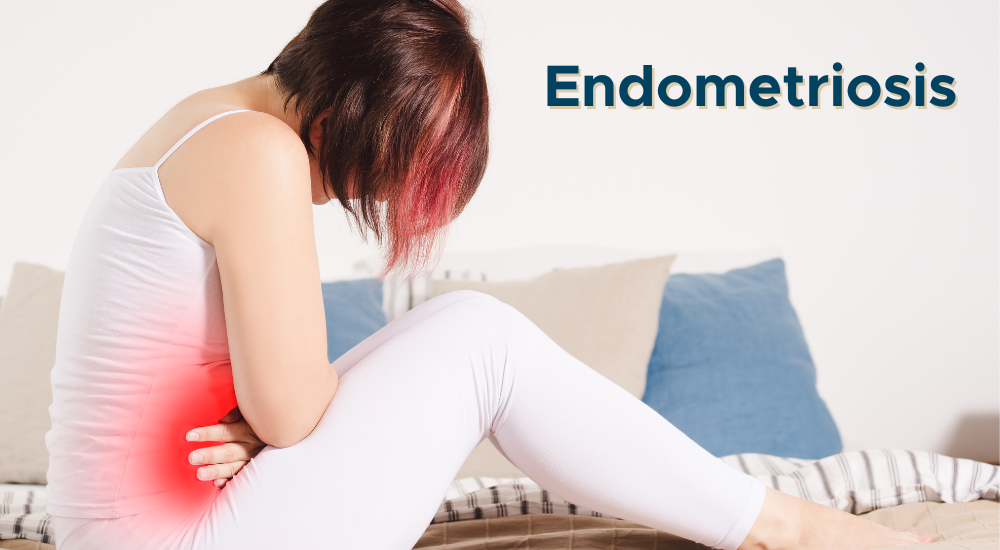
Endometriosis is a condition where the lining of the uterus (endometrial tissue) grows outside of the uterus. The endometrial tissue outside of the uterus behaves in a similar manner to the uterine lining. It thickens, breaks down and bleeds with each cycle.
It is estimated that 10% of women in Singapore suffer from endometriosis.
Signs & Symptoms
Endometriosis may not always cause symptoms, but below are the common presenting ones:
- Painful menstruation
- Pain during intercourse
- Heavy/irregular menstruation
- Chronic pelvic pain
- Subfertility
- Bowel disturbances during menstruation (diarrhoea, constipation, painful bowel movements)
- Painful urination
Symptoms of endometriosis may overlap with other conditions such as irritable bowel syndrome and pelvic inflammatory disease.
It is important to note that the severity of pain may not correlate directly with the severity of your endometriosis. Endometriosis can take a heavy toll on mental well-being and quality of life as well. Individuals with endometriosis may also suffer from fatigue, depression, and anxiety.
Diagnosis and Treatment
Diagnosis of endometriosis is usually clinical based on your symptoms. Trans vaginal ultrasound scans and blood tests may help in supporting the diagnosis but are not always necessary.
Definitive diagnosis of endometriosis can be done only through keyhole surgery. This allows the doctor to identify the locations and extent of endometriosis, as well as to treat the condition. Keyhole surgery is usually reserved for patients who are experiencing severe symptoms which are not well controlled with medication.
Medical treatment of endometriosis is targeted at relieving the symptoms affecting the individual. This may come in the form of painkillers, or hormonal therapy to regulate menstrual pain/flow. Hormonal therapy used in regulating menstruation are usually birth control methods as well. It may come in the form of tablets, injections, or intrauterine devices.
If you are experiencing any of the symptoms above, do not hesitate to consult our doctors for further assessment!